In today’s rapidly changing cities, mixed-use developments are transforming the way we live, work, and play. These projects combine residential, commercial, and recreational spaces into one cohesive environment—and they’re gaining momentum across the globe.
So, what’s behind the growing popularity of this urban planning trend? Let’s explore the key factors.
1. Urbanization Demands Smarter Land Use
As cities grow, land becomes more valuable—and more limited. Urban planners are turning to mixed-use real estate to make the most of space by integrating multiple uses in a single development.
Benefits:
- Reduces Urban Sprawl
- Maximizes Vertical Space
- Encourages Walkable Communities
2. Shifting Lifestyle Preferences
Modern consumers want more than just a place to live. They’re looking for convenience, community, and connection. Mixed-use developments meet these needs by offering amenities like:
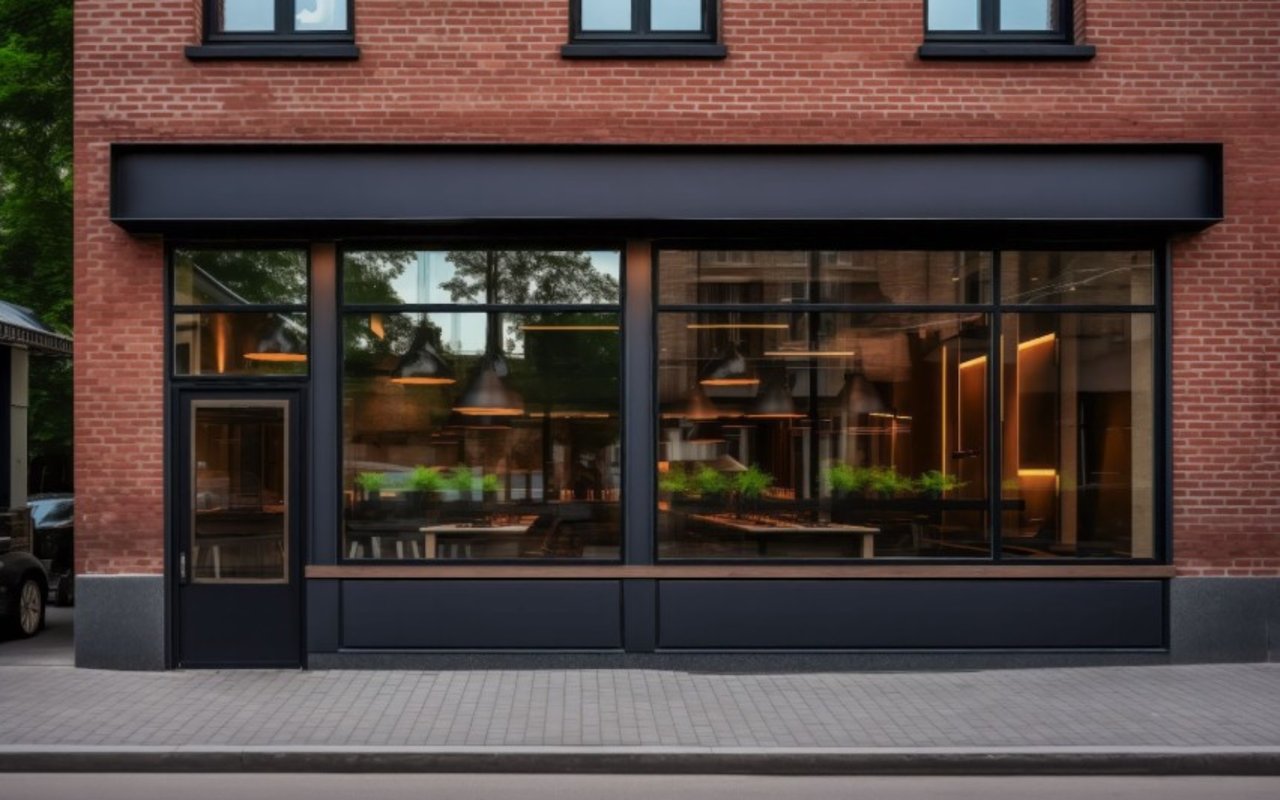
- On-site Shopping and Dining
- Office and Co-working Spaces
- Parks and Entertainment Options
This “live-work-play” model is especially attractive to Millennials and Gen Z professionals.
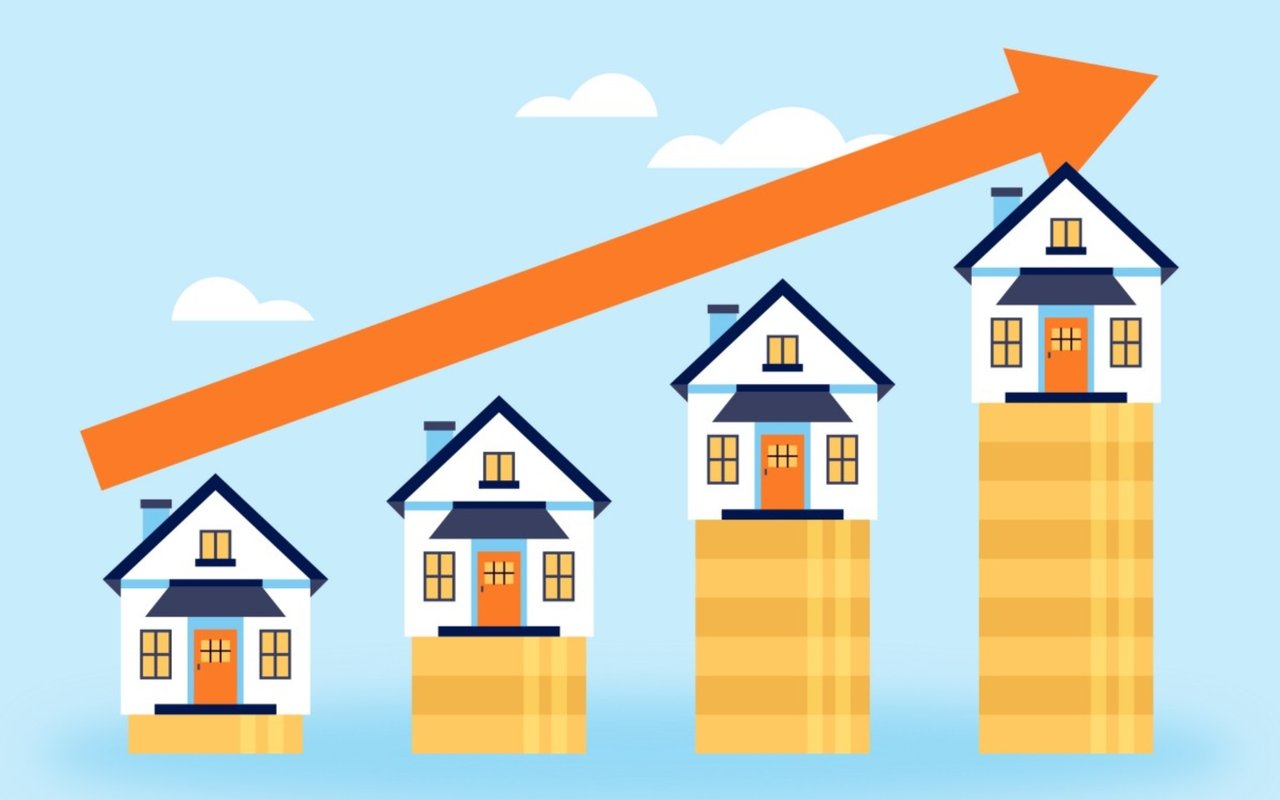
3. Stronger Economic and Investment Value
From a developer’s perspective, mixed-use projects provide diverse income streams, making them a smart choice for real estate investors.
Why Investors Love Mixed-Use:
- Multiple Revenue Channels (Residential, Retail, Office)
- Higher Occupancy Rates
- Reduced Risk During Market Downturns
These financial advantages make mixed-use buildings more resilient than single-use properties.
4. Sustainability and Environmental Benefits
Sustainability is at the core of today’s urban design. Mixed-use developments support eco-friendly living by:
- Reducing Car Dependency
- Promoting Public Transit
- Lowering Carbon Emissions
Additionally, shared infrastructure leads to better energy efficiency and water use.
5. Technology Enables Smarter Cities
Tech innovations are making it easier to plan and operate mixed-use spaces. With the rise of smart city technology, developers can:
- Monitor Energy and Utility Usage in Real Time
- Improve Building Safety and Access
- Enhance Tenant Experience with Apps and Automation
Construction tech like modular building also speeds up project timelines and reduces waste.
6. Updated Zoning Laws Encourage Mixed-Use Projects
Local governments are increasingly supporting mixed-use development through zoning changes and incentives, such as:
- Density Bonuses
- Tax Credits
- Streamlined Approvals
This policy shift is helping cities attract more mixed-use investment and boost long-term growth.
7. Revitalizing Underused Urban Areas
Mixed-use developments are often used to redevelop aging or abandoned spaces—like old malls, industrial sites, or outdated office parks.
Benefits Include:
- Stimulating Local Economies
- Increasing Property Values
- Creating Vibrant Community Hubs
8. Post-Pandemic Urban Trends
The COVID-19 pandemic changed how we use space. With more people working remotely, demand for traditional office buildings has dropped.
Mixed-use developments offer flexibility by:
- Converting Office Space into Apartments or Co-working Hubs
- Blending Residential and Business Amenities
- Supporting Hybrid Work Models
Conclusion: The Future is Mixed-Use
As the world continues to urbanize, mixed-use developments are leading the way in sustainable, flexible, and community-focused city planning. They offer practical solutions to modern challenges—from housing shortages to climate change—and deliver value for both residents and investors.