Real estate has long been considered one of the most reliable ways to build wealth. However, investors often face a key decision at the beginning of their journey: should they invest in commercial or residential real estate? Both options offer opportunities for income and appreciation, but they differ in risk, management, capital requirements, and return potential.
Understanding these differences can help you choose the right path based on your financial goals and risk tolerance.
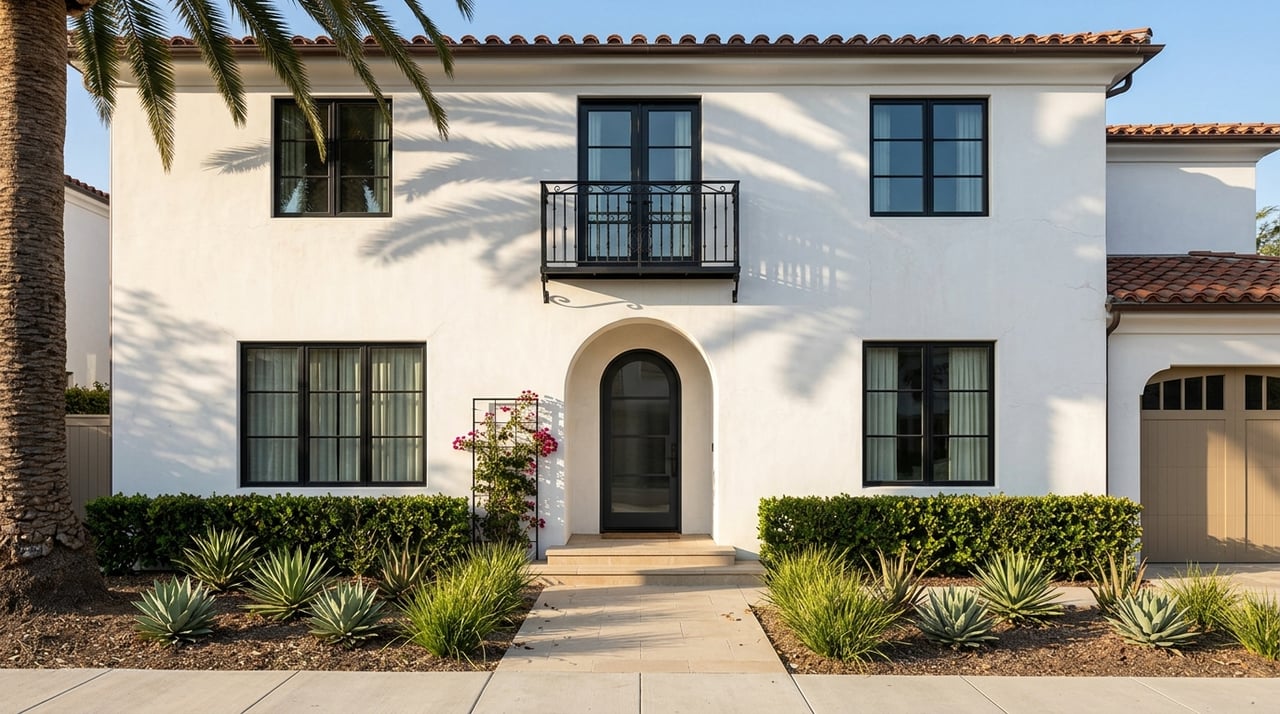
Residential real estate includes properties such as single-family homes, apartments, townhouses, and small multi-unit buildings. These properties are typically rented to individuals or families. One of the main advantages of residential investment is steady demand. People always need a place to live, which makes housing relatively stable even during economic slowdowns.
Residential properties are often easier for beginners to enter because they require lower capital compared to commercial assets. Financing options are widely available, and the buying process is usually simpler. Managing residential tenants can also be more straightforward, especially with smaller properties. However, rental income may be lower compared to commercial properties, and tenant turnover can affect cash flow.
Commercial real estate includes office buildings, retail spaces, warehouses, and industrial properties. These properties are leased to businesses rather than individuals. One of the biggest advantages of commercial investment is higher income potential. Commercial leases are often longer, sometimes ranging from three to ten years or more, which can provide stable and predictable cash flow.
Commercial tenants may also be responsible for maintenance, property taxes, and insurance under certain lease agreements. This can reduce the landlord’s operational burden. However, commercial real estate typically requires a larger initial investment and may carry higher risks. If a business tenant leaves, it can take longer to find a replacement compared to residential rentals.
Market sensitivity is another key difference. Residential properties tend to remain in demand because housing is a basic need. Commercial properties are more closely tied to economic conditions. During economic downturns, businesses may close or reduce space, which can increase vacancy rates.
When it comes to appreciation, both types of real estate can grow in value over time. Residential property values are often influenced by neighborhood development, population growth, and housing demand. Commercial property values are largely driven by rental income and business activity in the area.
Choosing between commercial and residential investment depends on your experience, financial capacity, and long-term objectives. Beginners often start with residential properties due to lower entry barriers and simpler management. Experienced investors seeking higher returns and willing to take on greater risk may prefer commercial assets.
Both commercial and residential real estate offer valuable opportunities. By carefully evaluating your budget, risk tolerance, and investment goals, you can select the option that aligns best with your strategy and build a strong foundation for long term wealth creation.