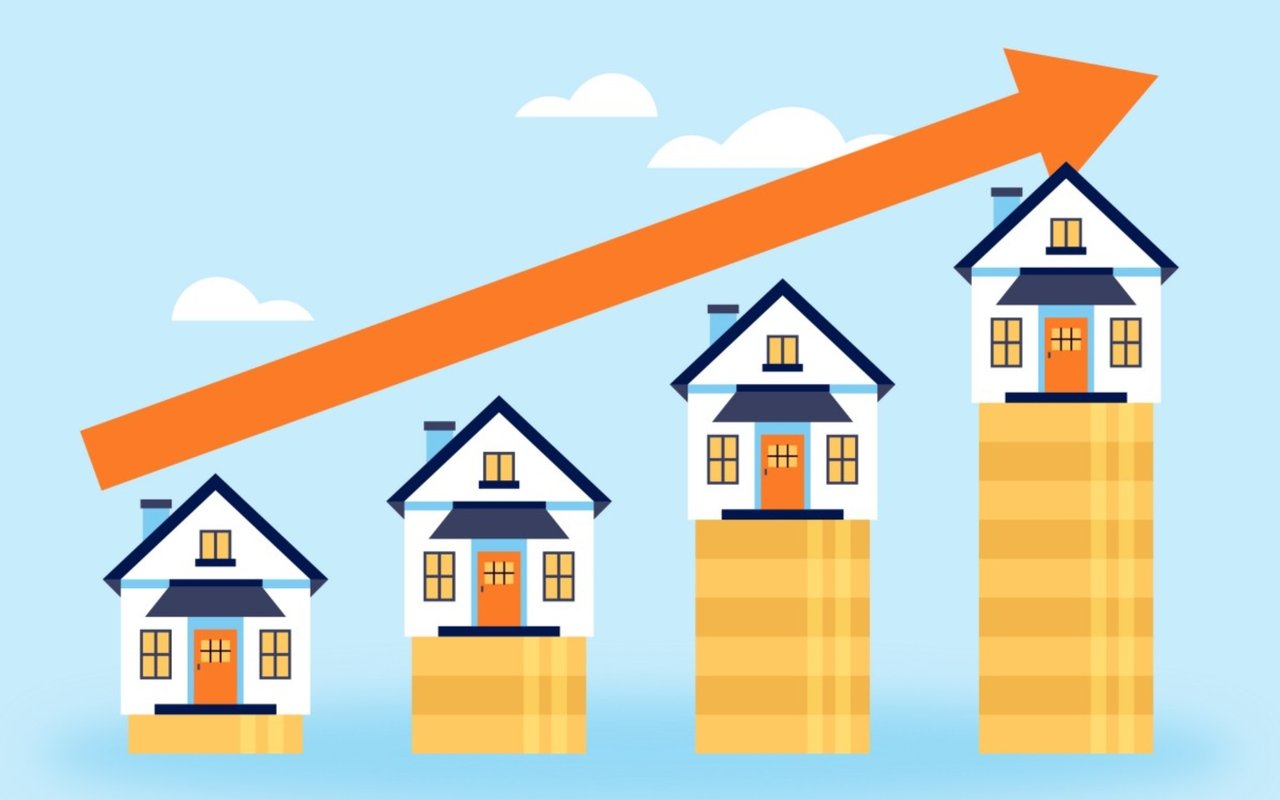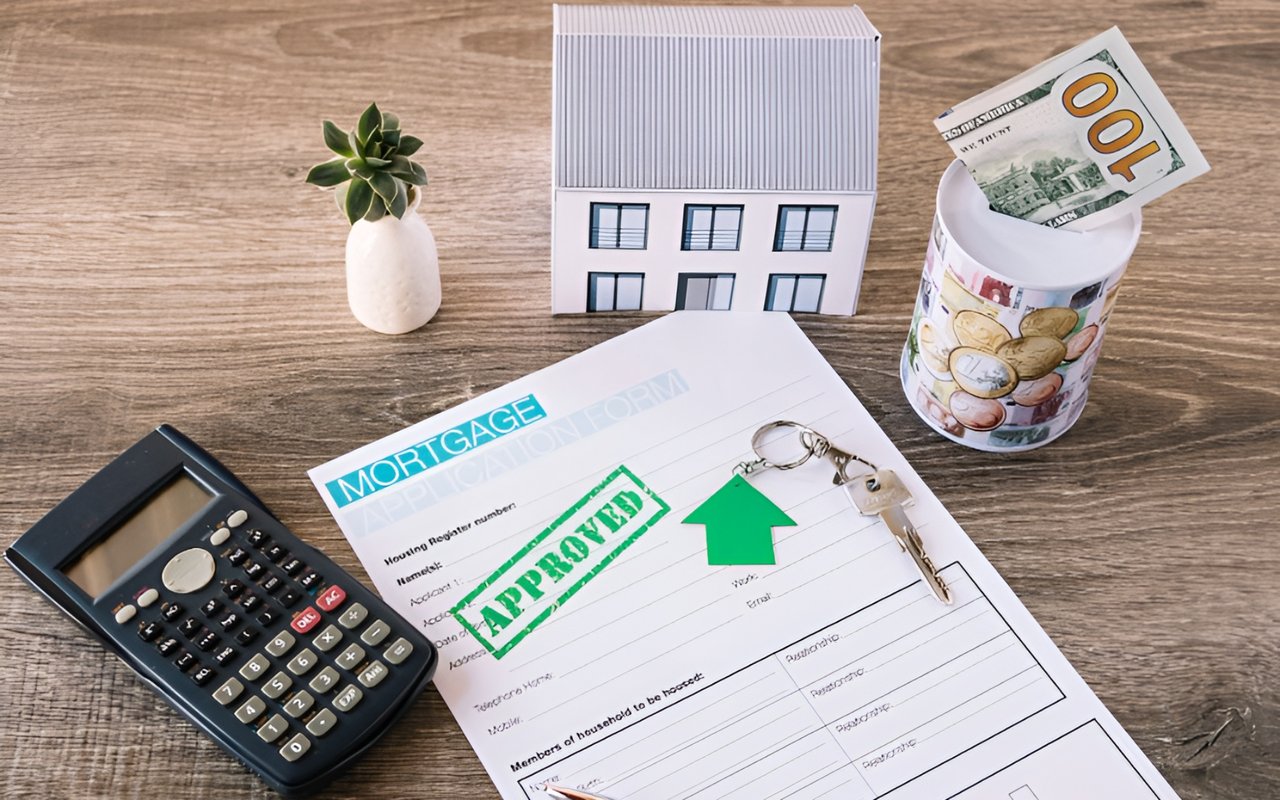
The real estate market is always evolving, but in 2025, two economic forces are having an outsized impact on buying, selling, and investing decisions: property taxes and inflation. Whether you're a first-time buyer, an experienced investor, or a homeowner thinking about selling, understanding how these two factors influence your financial bottom line is critical.
What Are Property Taxes, and Why Are They Rising?
Property taxes are annual taxes based on the assessed value of your property. These funds typically support local services like public schools, infrastructure, police, and fire departments.
In many areas across the U.S., property taxes have risen sharply in recent years due to:
-
Increased home values — higher assessments mean higher taxes.
-
Municipal budget shortfalls — local governments raising rates to meet funding needs.
-
Inflation-related cost increases — cities pass rising costs on to homeowners.
How Inflation Is Influencing Real Estate Behavior
Inflation erodes purchasing power, but it also changes how people view real estate:
-
Buyers are cautious about stretching budgets, especially with rising mortgage rates.
-
Investors see real estate as a hedge against inflation due to its potential for appreciation and rental income.
-
Builders are facing higher costs, leading to slower development and fewer new listings.
The Double-Edged Sword for Homeowners
For current homeowners, rising property taxes coupled with inflation can be a financial strain:
-
Monthly mortgage payments may stay the same (if you have a fixed rate), but property tax bills are climbing.
-
Maintenance and repair costs are increasing due to inflation.
-
Some retirees or fixed-income homeowners are being “taxed out” of long-owned properties.
Real Estate Investment Shifts
Investors are now factoring in:
-
Tax-friendly States: Many are moving capital to states with lower or no property tax burdens (e.g., Florida, Texas).
-
Cash Flow vs. Appreciation: High inflation makes cash flow investments more attractive than speculative growth.
-
Tax Caps and Exemptions: Some markets offer homestead exemptions or senior tax freezes that impact investment decisions.
How to Navigate These Trends as a Buyer or Seller
For Buyers:
-
Get a detailed estimate of annual property taxes before making an offer.
-
Factor rising insurance, maintenance, and tax costs into your long-term affordability.
-
Explore tax incentives or exemptions available in your target area.
For Sellers:
-
Highlight low property taxes in your listing (if applicable).
-
Consider how high taxes may limit your pool of buyers — price strategically.
-
Understand your potential capital gains tax exposure when selling in an inflated market.
Final Thoughts
Property taxes and inflation aren't just background noise — they are actively reshaping the real estate landscape in 2025. Being informed helps you make smart, strategic decisions whether you're buying, selling, or holding.