Interest rates play a critical role in shaping the commercial real estate (CRE) market. Whether you are an investor, developer, property owner, or tenant, changes in interest rates directly influence property values, financing costs, demand, and overall market activity. Understanding this relationship is essential for making informed real estate decisions.
1. Cost of Financing and Borrowing Power
One of the most immediate effects of interest rate changes is on borrowing costs. Commercial real estate transactions typically rely on large loans, and even small rate increases can significantly impact monthly payments.
-
Higher interest rates increase loan costs, reducing cash flow and limiting how much investors can afford to borrow.
-
Lower interest rates make financing more affordable, encouraging investors to purchase, refinance, or expand their portfolios.
When borrowing becomes expensive, some deals no longer meet return expectations, leading to fewer transactions in the market.
2. Impact on Property Values and Cap Rates
Interest rates and capitalization rates (cap rates) are closely connected. Cap rates are used to estimate a property’s value based on its income.
-
When interest rates rise, cap rates often increase as investors demand higher returns to compensate for higher financing costs and risk. This generally leads to lower property values.
-
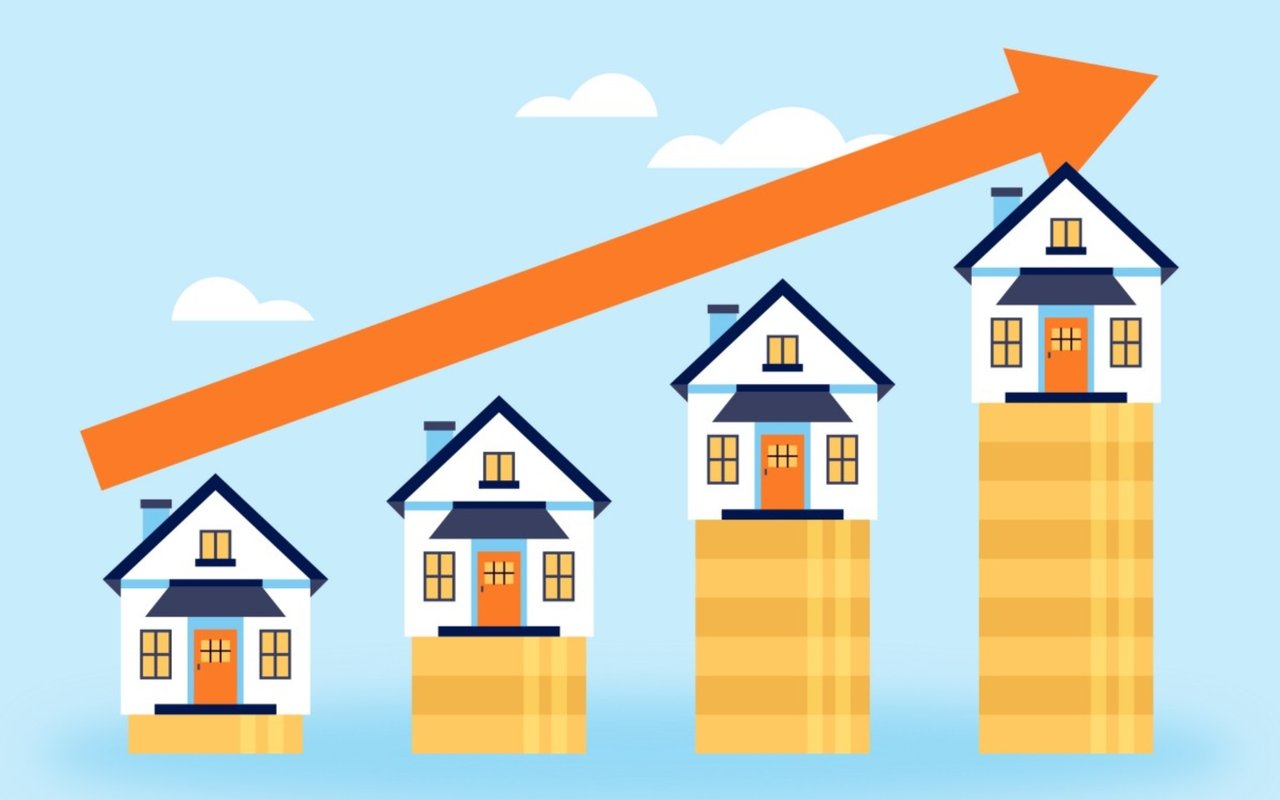
When interest rates fall, cap rates tend to compress, increasing property values as investors are willing to accept lower returns.
This relationship is especially important for income-producing assets such as office buildings, retail centers, warehouses, and multifamily properties.
3. Investor Demand and Market Activity
Interest rates influence investor sentiment and behavior.
-
In a low-interest-rate environment, commercial real estate becomes more attractive compared to bonds or savings instruments, driving higher demand and competition.
-
In a high-interest-rate environment, investors may shift capital to less risky or more liquid assets, slowing CRE market activity.
As a result, rising rates often lead to fewer acquisitions, longer deal timelines, and more cautious underwriting.
4. Effect on Development and Construction
Commercial development is highly sensitive to interest rates.
-
Higher rates increase construction loan costs, making new projects more expensive and harder to justify financially.
-
Developers may delay or cancel projects if projected returns no longer meet lender or investor requirements.
Conversely, lower interest rates can stimulate new development by reducing financing expenses and improving feasibility.
5. Tenant Demand and Leasing Trends
Interest rates also indirectly affect tenants and occupiers.
-
Businesses facing higher borrowing costs may delay expansion, reduce space needs, or renegotiate leases.
-
Sectors like retail and office are particularly sensitive to economic slowdowns caused by rising interest rates.
On the other hand, certain property types—such as industrial and logistics—may remain resilient if demand drivers are strong.
6. Refinancing Risk for Property Owners
Existing property owners with variable-rate loans or upcoming loan maturities are especially exposed to rising interest rates.
-
Refinancing at higher rates can reduce cash flow and lower property valuations.
-
Some owners may be forced to sell assets or inject additional capital to meet lender requirements.
This creates both challenges and opportunities, as distressed or motivated sellers may enter the market.
7. Long-Term vs Short-Term Perspective
While short-term rate fluctuations can cause volatility, experienced investors focus on long-term fundamentals such as location, tenant quality, lease structure, and asset management.
Historically, commercial real estate has adapted to different interest rate cycles, though strategies must evolve with market conditions.
Conclusion
Interest rates are a powerful force in the commercial real estate market, affecting everything from property values and investment returns to development activity and tenant demand. Rising rates tend to slow market activity and pressure valuations, while falling rates often stimulate growth and investment.
For investors and stakeholders, understanding how interest rates impact commercial real estate is essential for managing risk, identifying opportunities, and making strategic decisions in any market cycle.