Over the past few years, the real estate market has been a whirlwind. From skyrocketing home prices during the pandemic to aggressive interest rate hikes aimed at cooling inflation, buyers and sellers alike have been left asking: Is it still a seller’s market in 2025?
As we move into the second half of the year, shifting interest rates and evolving buyer behavior are starting to reshape the housing landscape. In this article, we break down what defines a seller’s market, how the current environment compares to the past few years, and what it all means if you're thinking about buying or selling today.
The Interest Rate Shift: What’s Changed?
From mid-2022 to late 2024, the U.S. Federal Reserve (and central banks around the world) increased interest rates to combat inflation. Mortgage rates soared from historic lows below 3% to highs above 7%, putting pressure on buyers and cooling demand.
Now in 2025, rates have slightly eased—hovering around 6%—but they’re still significantly higher than what homebuyers were used to just a few years ago. While this has made mortgages more expensive, it hasn’t crashed the market as some predicted. Instead, it’s created a more complex playing field where local dynamics and inventory shortages are now the key drivers.
Is It Still a Seller’s Market?
Let’s define it: A seller’s market occurs when demand outpaces supply. Homes sell quickly, often above asking price, and buyers have limited negotiating power. A buyer’s market, in contrast, has more listings than buyers, giving house hunters the upper hand.
As of mid-2025, the answer depends on location and price range, but broadly speaking:
-
Inventory is still low in many markets.
-
Homes are selling faster than historical averages.
-
Multiple offers are still happening—but mostly on well-priced, move-in-ready homes.
-
Price growth has slowed, but values remain high compared to pre-pandemic levels.
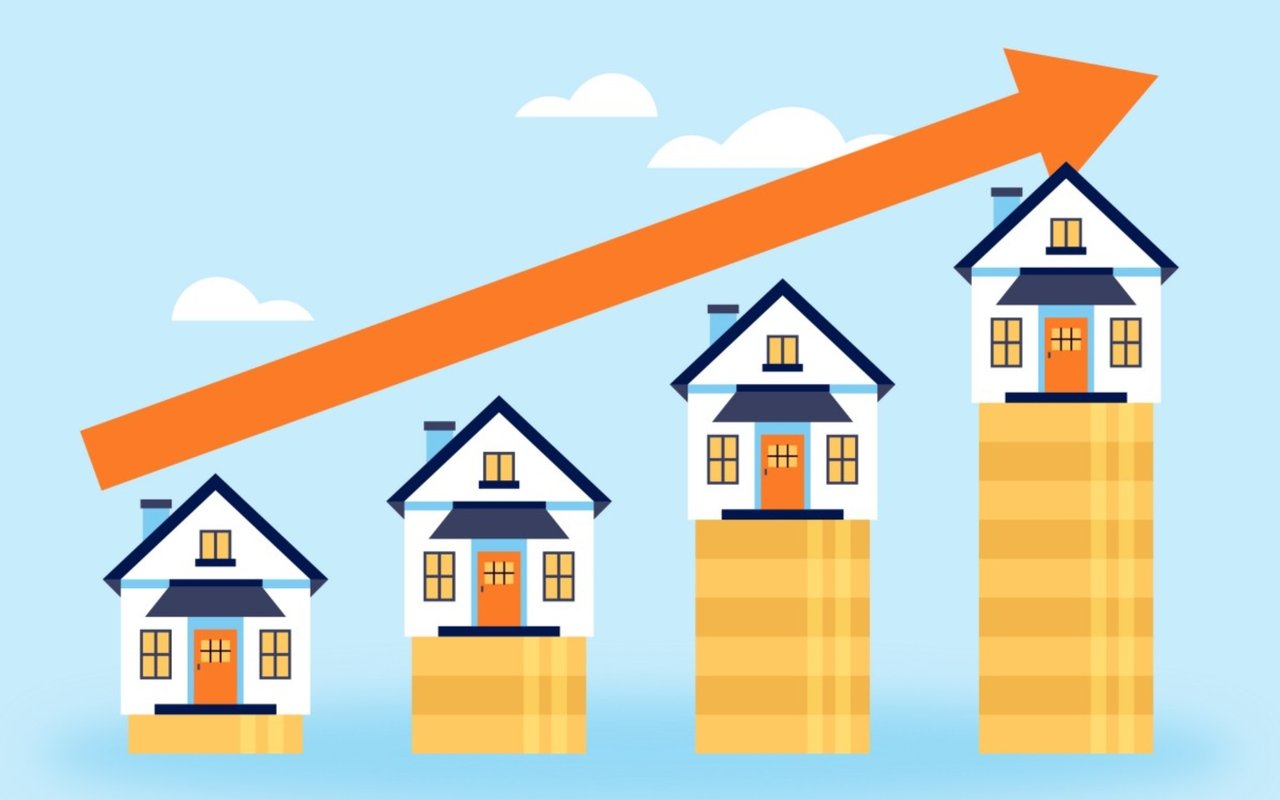
Nationally, we’re moving toward more balance—but we haven’t fully tipped into buyer-friendly territory. In short: it's no longer the red-hot seller’s market of 2021–2022, but sellers still hold a modest advantage in most areas.
What Sellers Should Know
If you’re planning to list your home, here’s what to keep in mind:
-
Overpricing won’t fly: Buyers are more cautious and budget-conscious due to higher mortgage costs.
-
Presentation matters: Homes that are clean, staged, and move-in ready sell faster.
-
You may still get multiple offers, but only if your home is competitively priced.
-
Days on market are increasing slightly, so patience and flexibility are key.
Bottom Line: It’s still a good time to sell—just don’t expect a bidding frenzy unless your property truly stands out.
What Buyers Should Expect
For buyers, the environment has improved—but it’s not a bargain bin yet.
-
There’s less competition than in 2021–2022, giving you more breathing room.
-
Sellers are more open to concessions, such as covering closing costs or negotiating repairs.
-
Higher interest rates still hurt affordability, but creative financing (e.g., rate buydowns, ARM loans) can help.
-
Good homes still move fast, so you’ll need to be prepared when the right listing appears.
Tip: Focus on value, not just price—a slightly more expensive home in a stable neighborhood could be a smarter long-term buy.
Outlook for the Rest of 2025
What’s next? Here are some key trends to watch:
-
Mortgage rates may inch down if inflation continues to ease.
-
New construction is slowly increasing but still not enough to meet demand.
-
Affordability challenges will persist, especially for first-time buyers.
-
Regional differences will widen—some cities may tip into buyer’s market territory, while others remain seller-friendly due to low supply.
Experts suggest we may finally see a more balanced market by early 2026—but don’t expect a crash.
Final Thoughts: Seller’s Market, But With an Asterisk
So, is it still a seller’s market? Yes—but it’s a softer, more strategic version of it.
Sellers have an edge, but only if they price realistically and understand today’s cautious buyer. Buyers have more room to negotiate, but still face affordability hurdles. In this nuanced market, knowledge and preparation are everything.
Whether you’re looking to buy or sell, now is the time to partner with an experienced real estate agent who understands your local market—and can help you navigate these shifting dynamics with confidence.