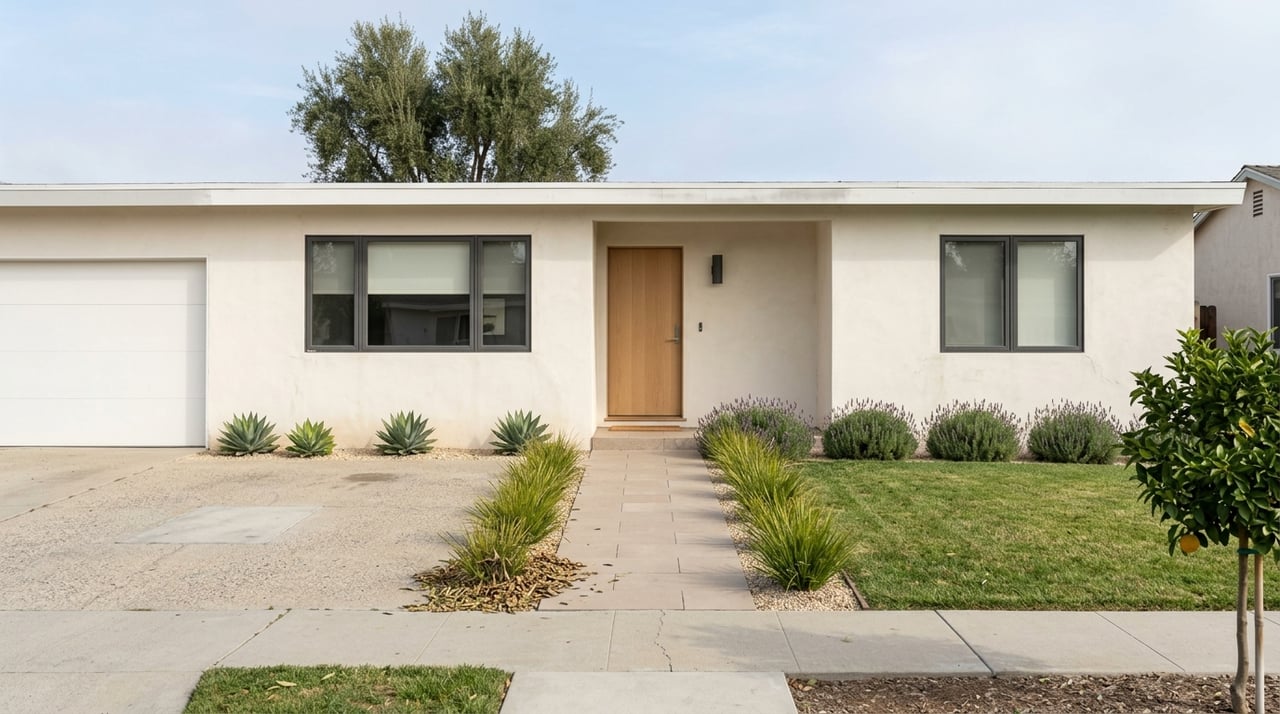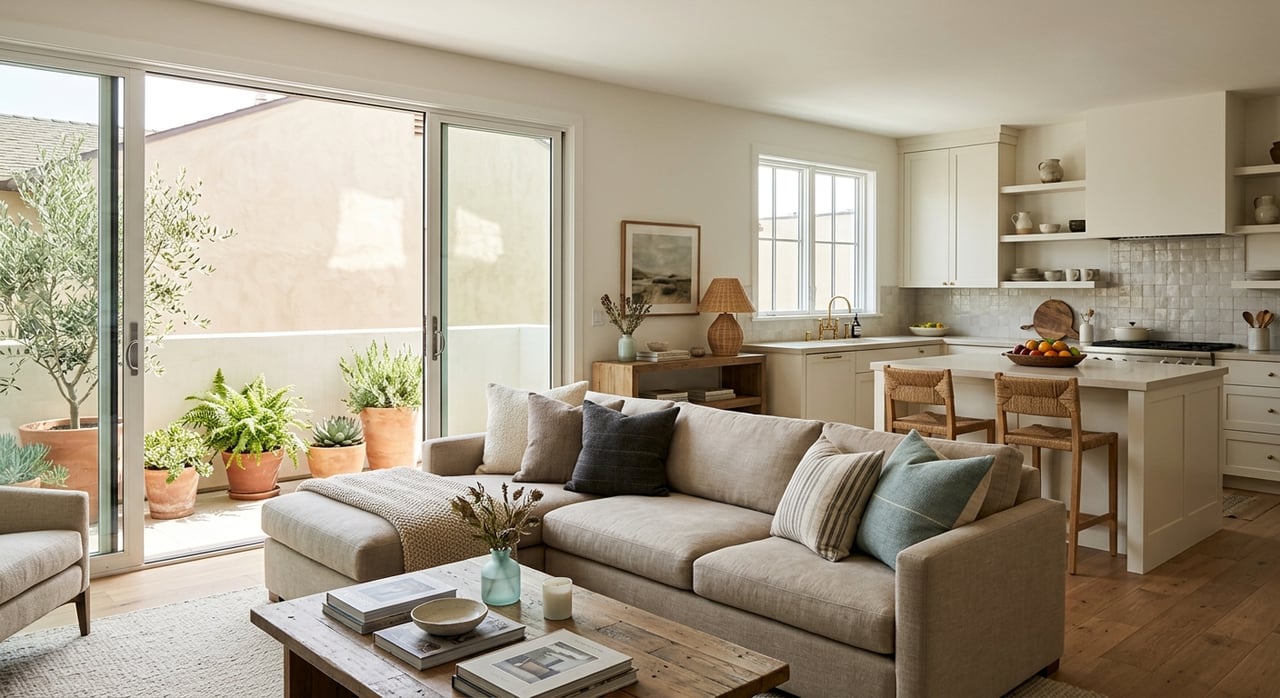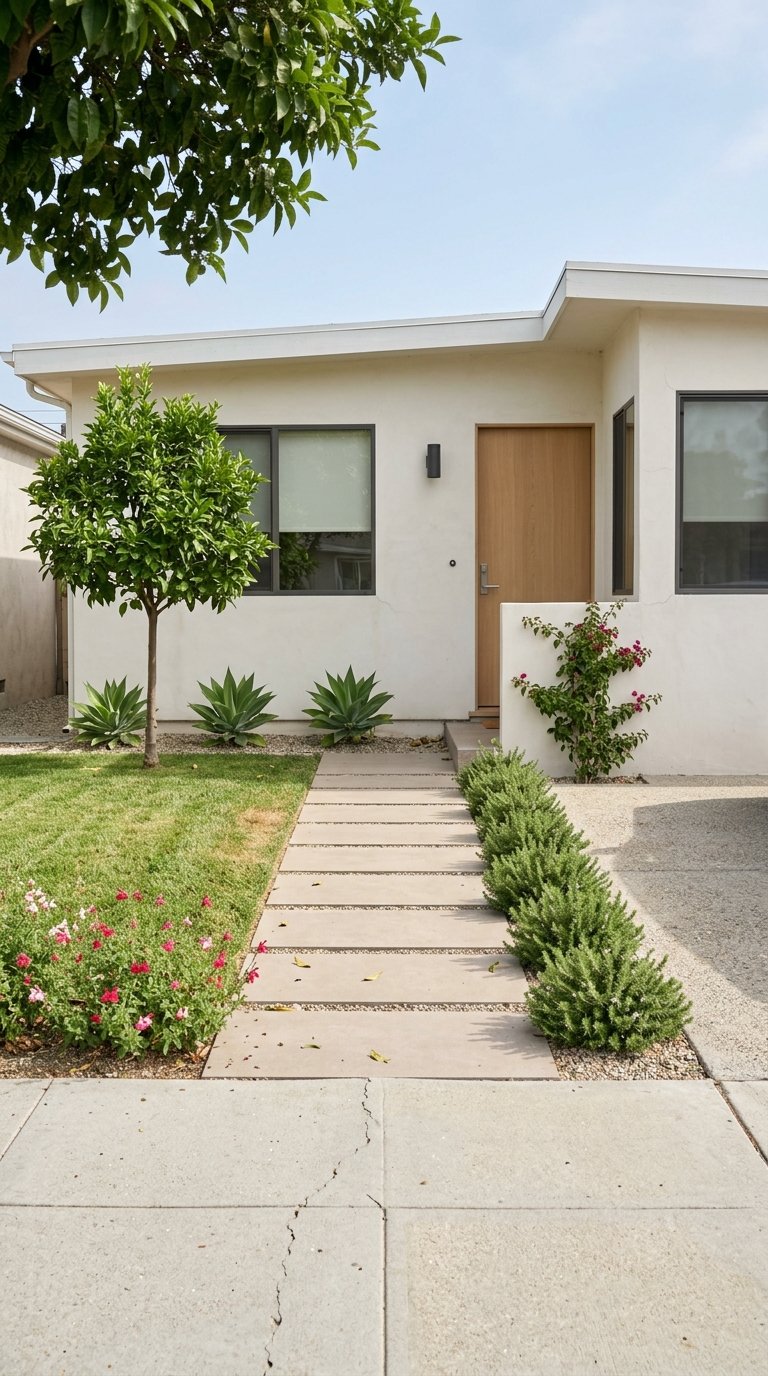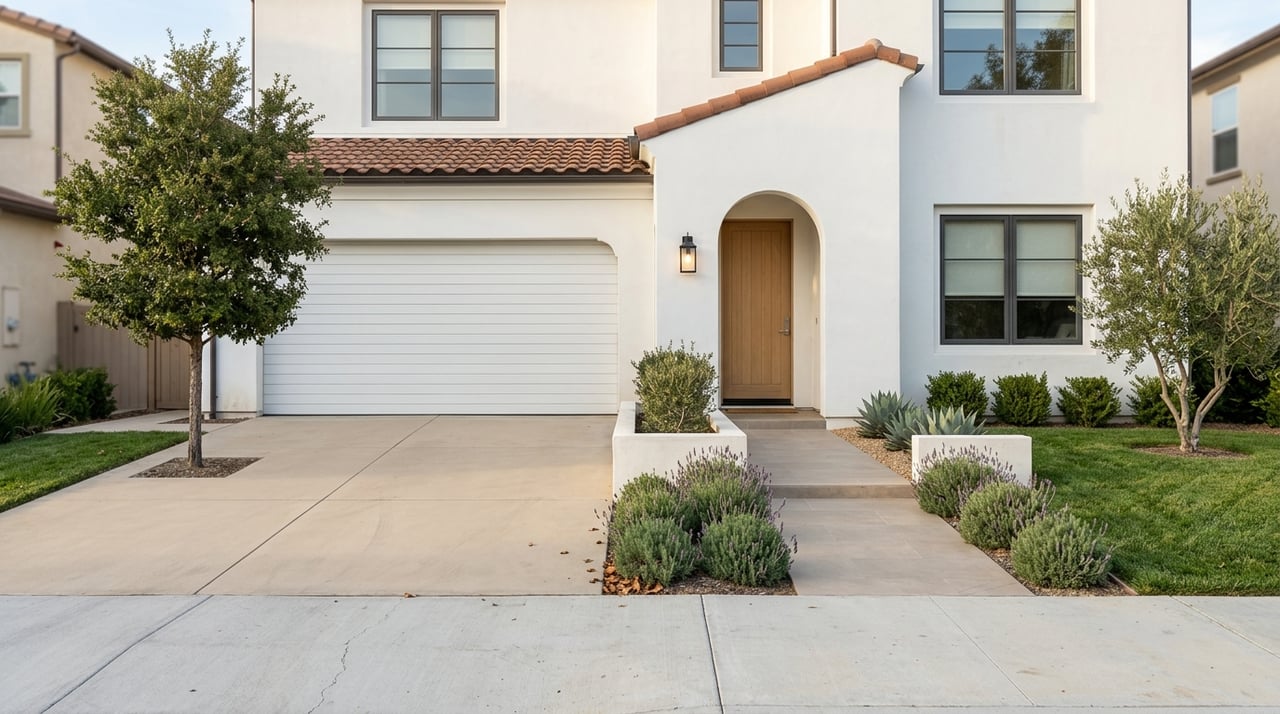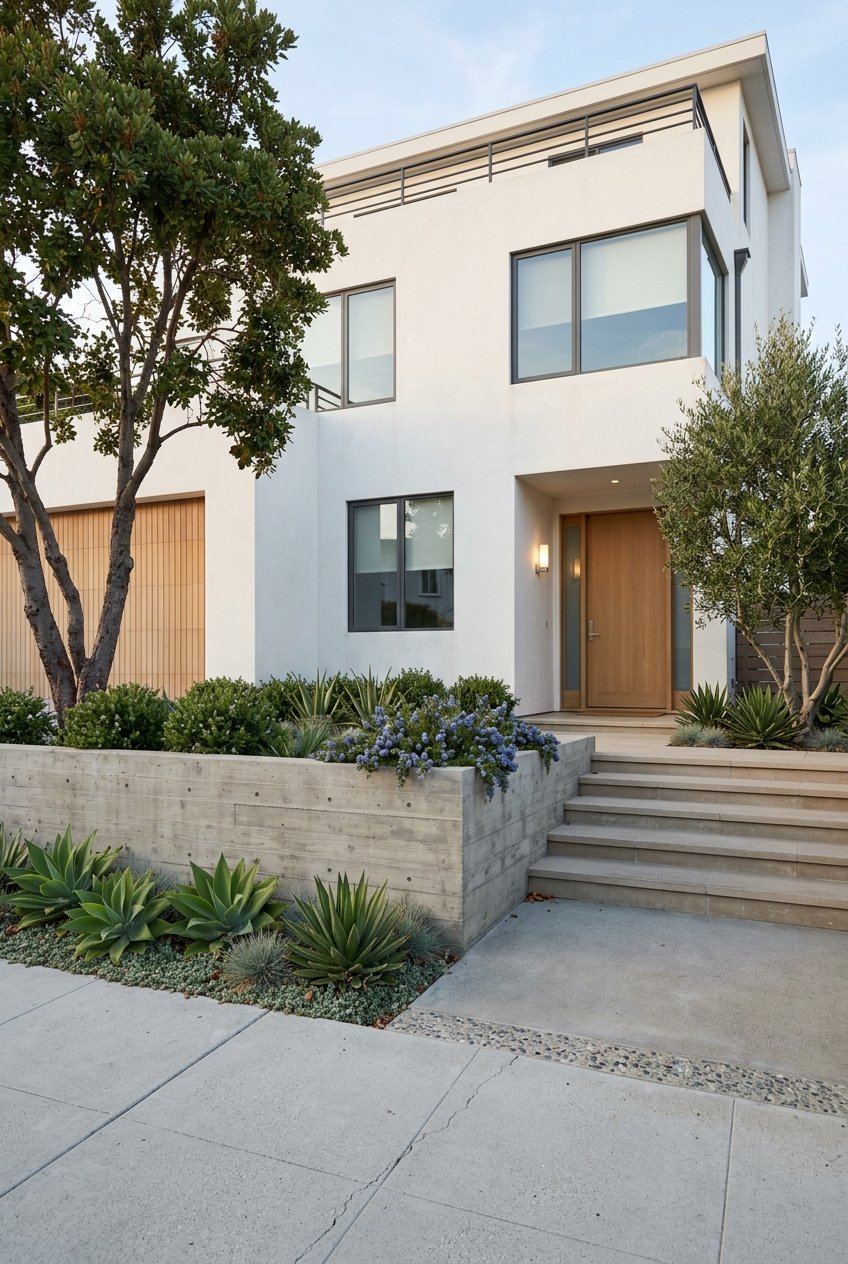
If you are home shopping in Manhattan Beach, you will quickly hear people talk about the Sand, Tree, and Hill areas as if everyone already knows exactly what they mean. That can feel confusing, especially when each section comes with its own price points, housing patterns, and tradeoffs. The good news is that once you understand how these local labels work, you can read listings more clearly and focus on the version of Manhattan Beach that fits your goals. Let’s dive in.
What the Sand, Tree, and Hill labels mean
In Manhattan Beach, these names are best understood as local shorthand for different residential submarkets, not separate cities or official municipalities. City housing and planning documents organize the community into areas such as the Beach Area, Hill Section, and Tree Section, and other city materials refer to the Sand Section as the beach area.
That matters because the name on a listing tells you more than just location. It often hints at lot size, street pattern, nearby commercial activity, density, parking realities, and pricing style. In a city that covers just 3.15 square miles, those differences can have a big impact on how a home lives day to day.
Manhattan Beach overall is a high-value coastal market. As of spring 2026, Zillow reports an average home value of about $3.26 million and a median sale price of about $3.19 million for the city, while Realtor.com shows a median listing price near $4.27 million.
Sand Section basics
The Sand Section is closely tied to beach access and the classic Manhattan Beach coastal experience. City materials highlight The Strand, walk streets, the pier, and the nearby concentration of shops, cafes, restaurants, and other beach-oriented activity.
From a planning perspective, the city’s Beach Area contains much of Manhattan Beach’s multifamily rental housing. Lots are generally under 3,000 square feet, and both resident and visitor parking can be limited.
That combination creates a denser, more active setting than other parts of the city. If you want to be close to the beach and enjoy a more walkable daily routine, Sand often rises to the top of the list.
What buyers often notice in Sand
Buyers tend to notice how close everything feels. You may be near the beach, downtown activity, and walk streets, but you may also need to think more carefully about parking, storage, and how efficiently a home uses its lot.
City utility planning also reinforces those space constraints. The city notes that older sewer infrastructure is concentrated in the Sand Section and that smaller waste carts can be helpful for households with limited space.
Sand Section pricing and pace
Of the three areas, Sand is currently the priciest on a per-square-foot basis. Realtor.com reported a median listing price of $5.97 million, a median sold price of $4.05 million, about $2,320 per square foot, 42 median days on market, and 41 active listings as of April 2026.
Realtor.com also reported a median rent of $15,700 per month. For buyers, that pricing helps explain why Sand often attracts people who prioritize location, beach access, and walkability enough to pay a premium for them.
Tree Section basics
The Tree Section is the part of Manhattan Beach east of Grand Avenue and northwest of Valley Drive, according to the city. City planning documents describe it as an area that will remain almost exclusively single-family residential, with only a small commercial pocket near Sepulveda Boulevard.
In practical terms, Tree often feels more residential and less mixed-use than Sand. If you want a Manhattan Beach address but do not need to be right by the beach activity, this area may offer a different balance.
What buyers often notice in Tree
The housing stock in Tree reflects a mature, built-out market. The city says there is no vacant developable land in Manhattan Beach, so most new housing comes from removing and replacing existing structures on underutilized sites.
That means you are more likely to see remodels, rebuilds, and substantially updated homes rather than brand-new development built on empty land. When comparing properties, it helps to look closely at whether a home is original, expanded, or fully rebuilt.
Tree Section pricing and pace
Tree sits in the middle of the market based on current pricing. Realtor.com’s April 2026 data show a median listing price of $3.55 million, a median sold price of $3.275 million, about $1,482 per square foot, 26 median days on market, 30 active listings, and a median rent of $14,250 per month.
For many buyers, that middle position is important. You are still in Manhattan Beach, but the pricing profile differs meaningfully from Sand, especially on a per-square-foot basis.
Hill Section basics
The Hill Section is primarily single-family residential, according to the city. Commercial and higher-density residential development is largely limited to Sepulveda Boulevard and Manhattan Beach Boulevard.
City standards also allow a larger maximum lot size in the Hill Section than in the Tree Section or Beach Area. That helps explain why buyers often associate Hill with a lower-density feel and larger-lot homes.
What buyers often notice in Hill
If you are comparing sections, Hill often stands out for its lot profile and its limited inventory. The tradeoff is that with fewer homes available at a given time, it can be harder to draw clean pricing conclusions from a small sample.
That is especially true in a luxury coastal market where a few listings or sales can move the numbers quickly. In Hill, the specific property can matter even more than the headline median.
Hill Section pricing and inventory
Current inventory in Hill is very limited. Realtor.com reported just 7 active listings and a median rent of $20,000 per month as of April 2026.
Because inventory is so thin, pricing can look more volatile than in Sand or Tree. Redfin reported a March 2026 median sale price of $8.4 million, while its luxury-home page showed a median listing price of $7.17 million.
How the three areas compare
Here is the simplest way to think about them as a buyer or seller:
| Area | General feel | Housing pattern | Pricing takeaway |
|---|---|---|---|
| Sand Section | Beach-oriented and walkable | Smaller lots, more density, more multifamily presence | Highest price per square foot |
| Tree Section | Interior and primarily residential | Mostly single-family homes, many remodels and rebuilds | Mid-range among the three |
| Hill Section | Lower-density and inventory-constrained | Primarily single-family homes with larger lot profile | Can command the highest absolute prices |
Each area appeals to a different set of priorities. There is no universal best choice, only the best fit for how you want to live and what you want your purchase to achieve.
What matters beyond the section name
The section label is helpful, but it should never be your only filter. In Manhattan Beach, the exact block, lot size, parking setup, and whether a home is original or rebuilt can matter just as much as whether it is in Sand, Tree, or Hill.
That is especially important because the city has no vacant developable land. Proximity to the beach and the availability of ocean views can materially affect land value, and most housing change happens through replacement or renovation rather than outward expansion.
For buyers, that means two homes in the same section can offer very different value depending on condition and site characteristics. For sellers, it means pricing strategy should account for much more than the neighborhood label alone.
How to choose the right Manhattan Beach area
If you are trying to narrow your search, start with your daily priorities before you start with the map. Think about whether your main goal is beach access, a more interior single-family setting, or a larger-lot profile with tighter inventory.
A helpful way to frame it is this:
- Choose Sand if beach access, walkability, and an active coastal setting are high on your list.
- Choose Tree if you want a more residential single-family environment with a different price point than Sand.
- Choose Hill if you are focused on larger-lot living and are prepared for a small, competitive inventory pool.
In all three areas, it pays to look at the property through both a lifestyle and value lens. In a market like Manhattan Beach, that balance can make a major difference in how confident you feel about your decision.
If you are weighing Manhattan Beach neighborhoods and want a clear, strategic read on pricing, inventory, and property fit, Gina Polo can help you compare options with both lifestyle and long-term value in mind.
FAQs
What is the Sand Section in Manhattan Beach?
- The Sand Section is local shorthand for the beach area, known for beach access, walkability, smaller lots, denser housing patterns, and the highest price per square foot among the three sections.
What is the Tree Section in Manhattan Beach?
- The Tree Section is the area east of Grand Avenue and northwest of Valley Drive, and city planning documents describe it as almost entirely single-family residential with only a small commercial pocket near Sepulveda Boulevard.
What is the Hill Section in Manhattan Beach?
- The Hill Section is primarily single-family residential and is associated with a larger-lot profile, lower density, and very limited inventory compared with Sand and Tree.
Which Manhattan Beach area is most expensive?
- Based on the research provided, the Sand Section has the highest price per square foot, while the Hill Section can post the highest absolute prices because of its limited inventory and luxury positioning.
Are Sand, Tree, and Hill official cities or neighborhoods?
- No. They are best understood as local section names or submarket labels used in city planning materials and real estate discussions within Manhattan Beach.
What should buyers compare besides the section name in Manhattan Beach?
- Buyers should also compare the exact block, lot size, parking arrangement, proximity to the beach, whether the home is original or rebuilt, and the overall condition and update level of the property.